Some applications remain in progress for longer than anyone expected. But the people waiting for them do not stand still.
This is a literary story about the ordinary, extraordinary years a family spends dreaming of Canada while a permanent residence decision remains unresolved—and the music that can emerge from that silence.
The Birthday That Arrived on Time

The candles did not care about processing times. They burned brightly, as candles always do, while two sisters leaned closer to the cake and the adults tried to keep the evening from becoming another conversation about waiting.
There were paper decorations, a small mountain of plates, and the familiar argument over who would get the first slice. Someone took a photograph. Someone laughed just as the camera clicked. For a few minutes the room belonged entirely to the birthday.
Later, when the dishes had been cleared, the parents looked at the photograph. The children were taller than they had been when the family first began imagining a life in Canada. Another birthday had arrived exactly when it should. The answer they had been waiting for had not.
That was the strange arithmetic of these years: the important dates kept coming, even when the date that mattered most remained unknown.
A Future Called Canada

At first, Canada was a map spread across the table. It was mountains, lakes, unfamiliar street names, and a collection of photographs saved for a someday that felt close enough to touch.
The children drew houses with bright windows. They asked what the seasons might feel like, whether the schools would be different, and what they should pack. The parents answered what they could and left the rest open.
The dream was never only about a place. It was about building a future together, learning new routines, finding friends, and having the ordinary freedom to make plans without placing an invisible question mark at the end of every sentence.
Over time the map grew creased at its folds. The drawings were replaced by newer drawings. Canada stayed where it was. The family kept changing.
Background Verification: In Progress
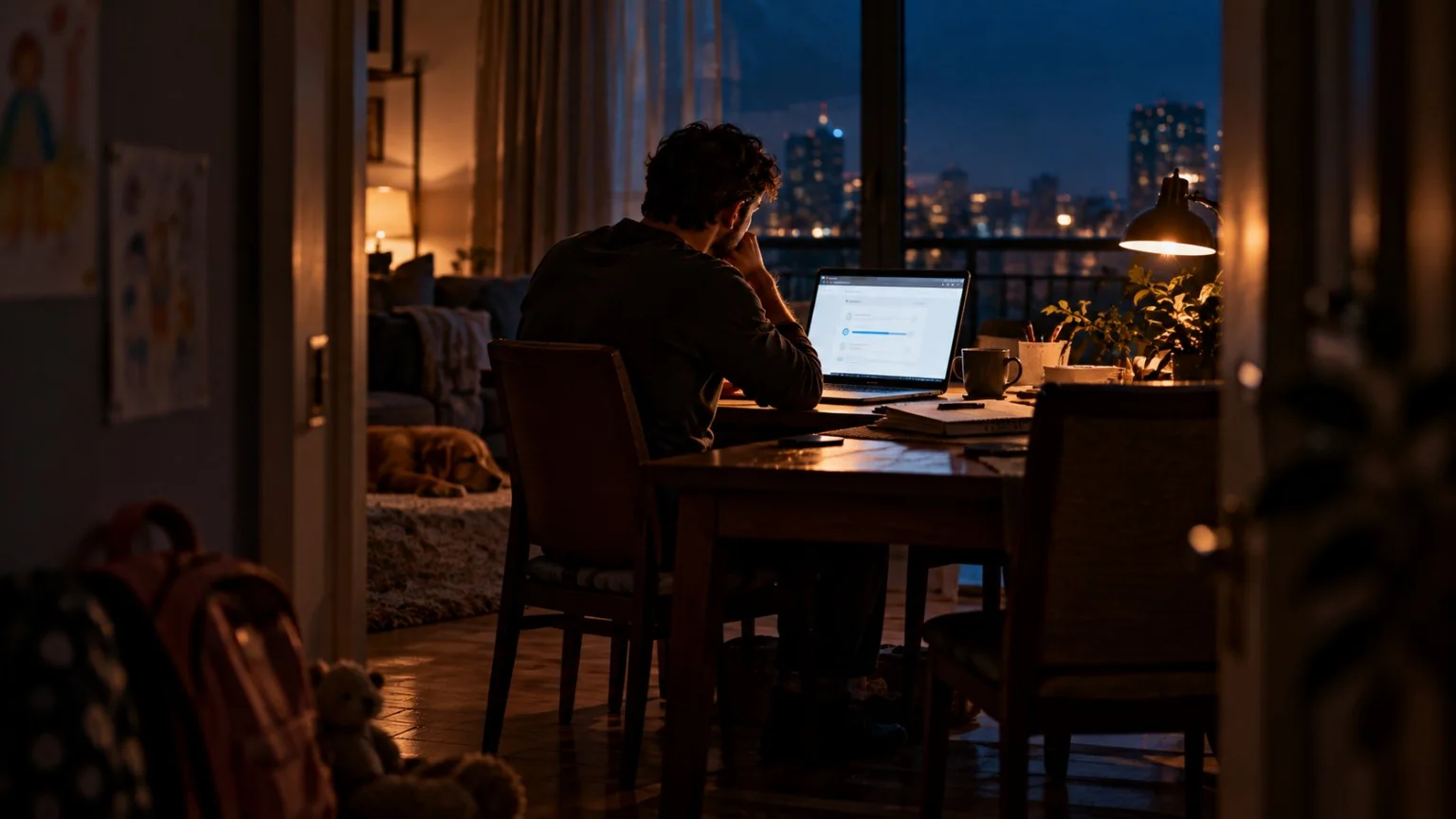
Late at night, when the house had gone quiet, one of the parents opened the application tracker again. The screen offered the same restrained language: “Background verification: In progress.”
It was a status, not an explanation. The words did not say when the review would end, whether the next update would arrive tomorrow, or how many more birthdays would pass before a decision.
He learned the vocabulary people use when they search for answers: security screening in progress, comprehensive security screening, immigration application delays, no updates for months. These phrases were everywhere in discussions about Canadian permanent residence. They described a process; they could not describe what it felt like to live beside it.
He closed the laptop. The apartment remained still. In the morning there would be lunches to prepare, messages to answer, and children to wake for school. The status could wait until tomorrow. The family could not.
The Years Nobody Planned For

One spring gave way to summer, then autumn, then winter. After a while the seasons stopped feeling like a countdown and began to feel like evidence: another year had happened here, in this life, while another life remained imagined.
Calendars filled with appointments and crossed-out tasks. School terms began and ended. Shoes were outgrown. Plans were made carefully, often with a quiet clause attached: unless something changes.
There was no single dramatic moment when waiting became a way of life. It happened in small increments. A postponed decision. An unanswered question. Another morning when the inbox contained everything except the message they hoped to see.
The years were not empty. That was what made them so difficult to explain. They were full of ordinary things, and still there was room for the ache of an unfinished sentence.
Children Don't Wait
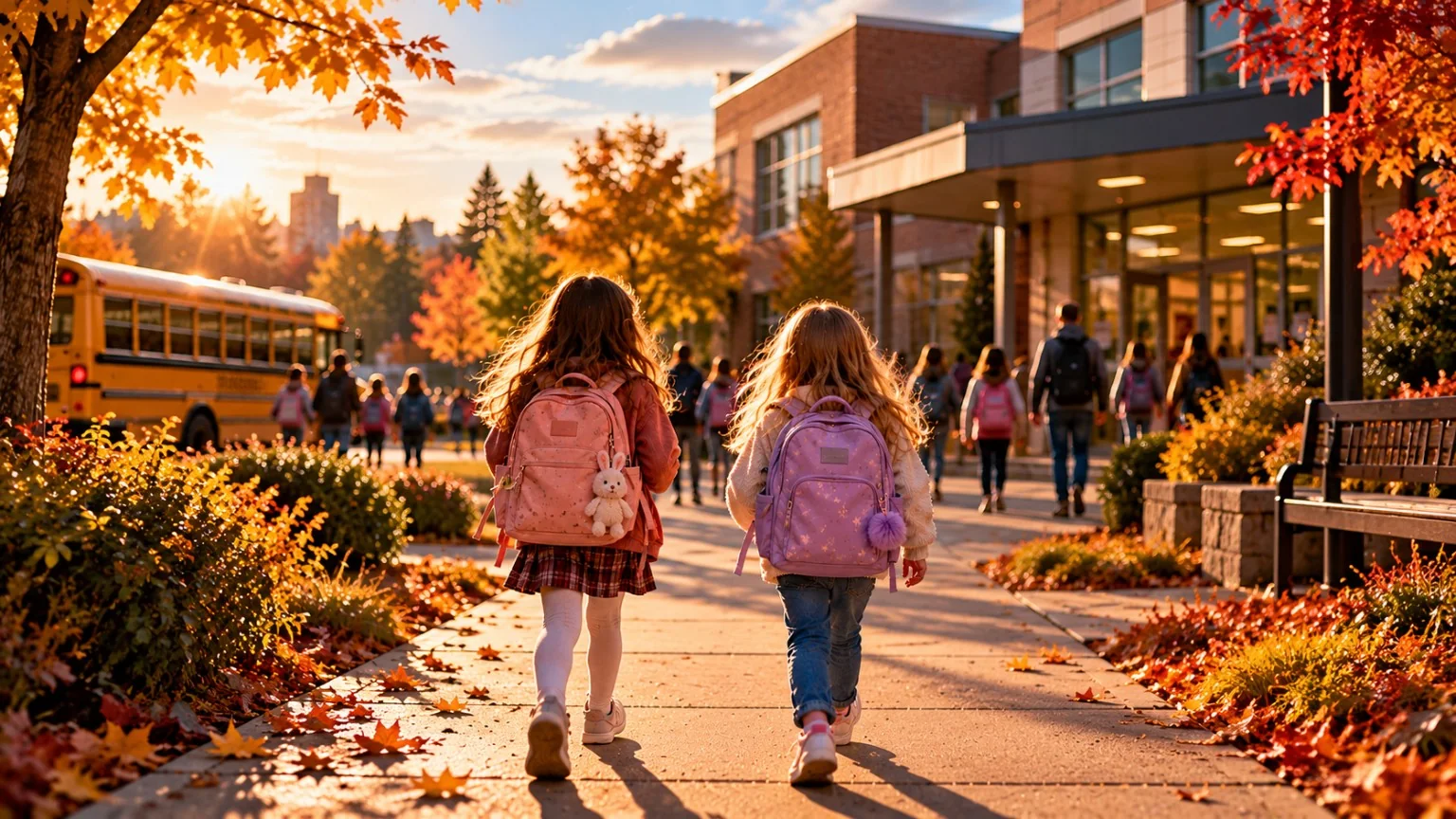
The girls did not measure time in application stages. They measured it in school years, lost teeth, new friends, favourite songs, and the distance they could now walk without holding a hand.
One morning they went down the path toward school, backpacks bouncing against their shoulders. The older one knew where to go. The younger one hurried to keep up. Their parents watched until the two figures disappeared among the other children.
Adults can tell themselves that a plan is paused. Childhood does not work that way. It continues at full speed, collecting memories in whatever place happens to be home today.
Perhaps that was the hardest lesson of the wait, and also the most necessary: the future matters, but it cannot be allowed to consume the present.
Life Was Never On Hold

They went outside. They walked until the noise in their heads became the sound of wind through trees and shoes on a trail. Sometimes the best answer to an unanswerable question was simply to keep moving.
There were meals worth cooking, places worth exploring, jokes worth repeating. There were small victories that deserved to be celebrated even without the larger victory they had imagined.
Waiting had entered their lives, but it was not the whole of their lives. They were still a family: four people learning, arguing, laughing, growing, and finding new ways to belong to the day in front of them.
Hope changed shape. It became less like standing at a departure gate and more like walking together, with no certainty about the destination and no wish to let go of one another.
IN PROGRESS
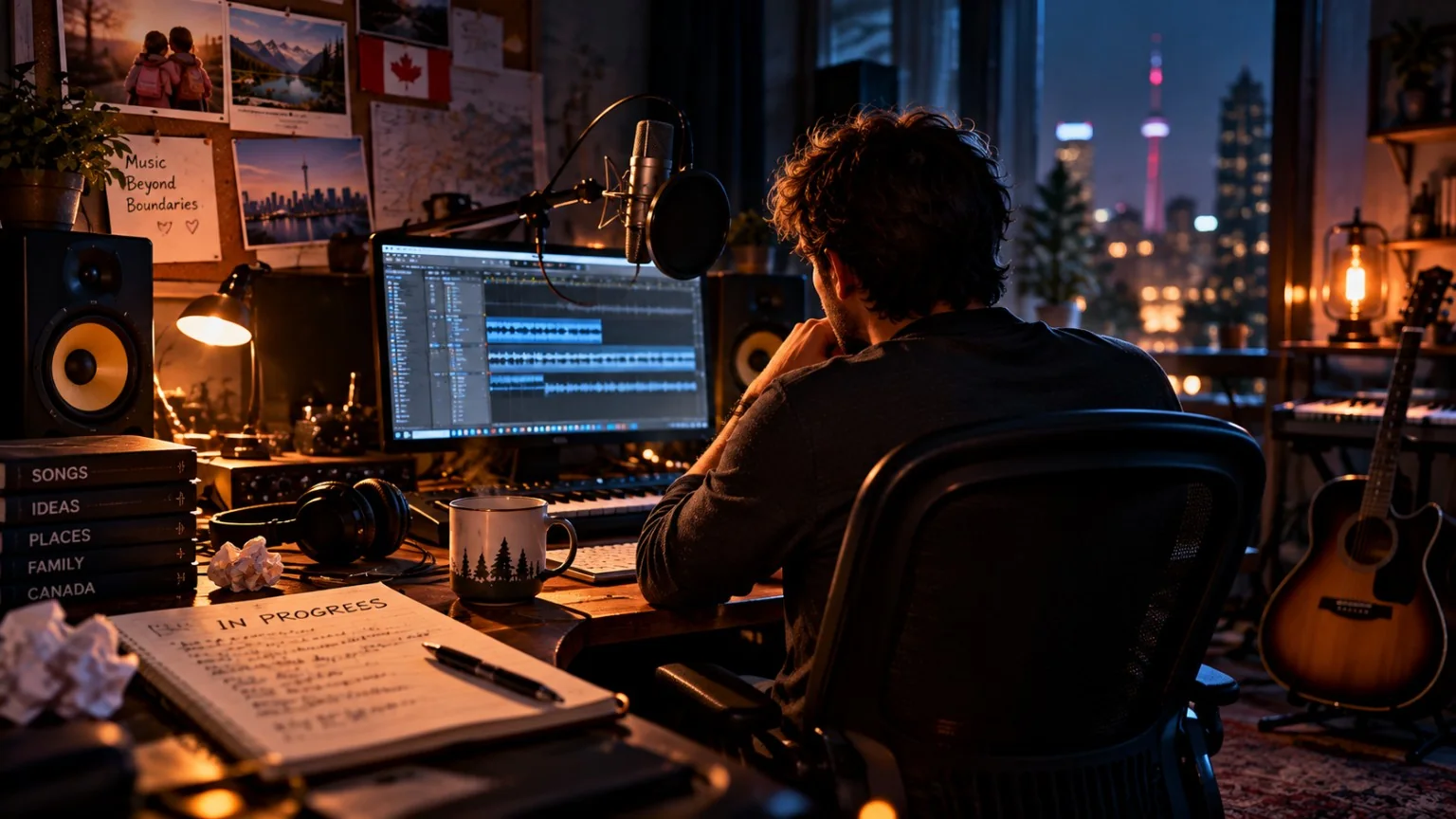
Eventually, the feeling needed somewhere to go. Not into another browser tab or another search for a timeline, but into music.
IN PROGRESS grew from the tension between two clocks: the slow, impersonal clock of an application still under review, and the quick, intimate clock of family life. A cinematic rock ballad became a place for that tension to breathe.
The song does not offer an answer to immigration uncertainty. It is not a guide to security screening, a promise about Canadian permanent residence, or an argument against the people carrying out a review. It is a portrait of what happens while an answer has not yet arrived.
The last note cannot move a file forward. But it can say something that a status page cannot: we were here. We lived these years. And our story was never only in progress.
Listen to IN PROGRESS
A cinematic rock ballad by LORQAI about uncertainty, resilience, and the years that never stopped moving.